
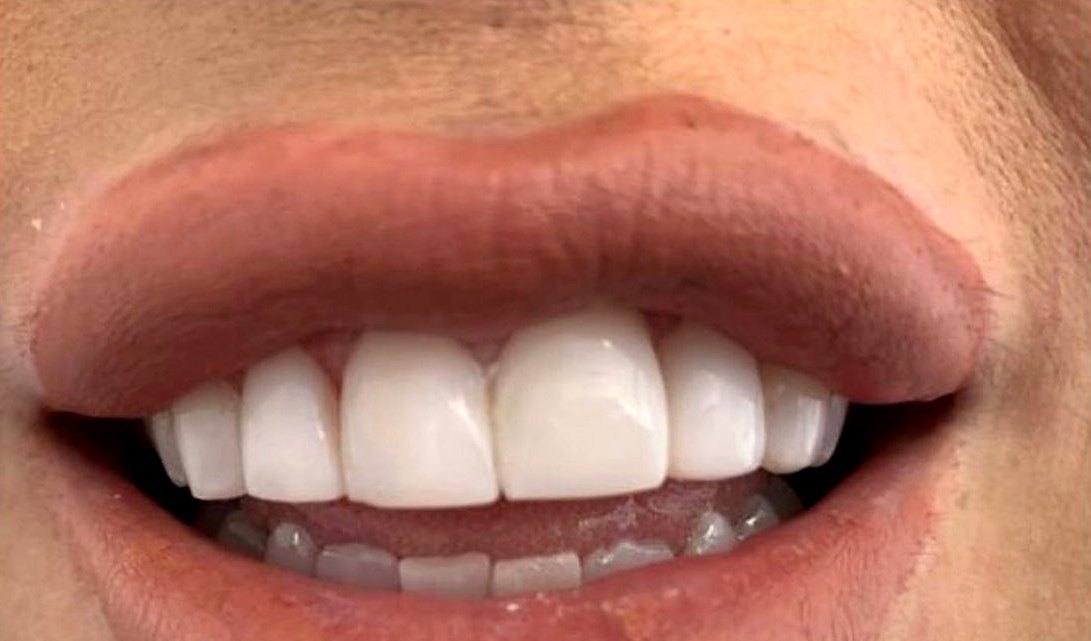
What is composite bonding?
Composite bonding uses tooth-coloured resin that is sculpted directly onto the tooth, hardened with a light and polished until it blends with the tooth around it. Used across the front of the teeth it is often called a composite veneer.
It is popular for closing small gaps, repairing chips, reshaping uneven or short teeth and softening discolouration. Because the resin is added to the tooth rather than replacing it, it is one of the most conservative cosmetic treatments available.
Composite bonding may suit you if
- You have small gaps, chips or uneven edges you would like refined.
- You want a change without having enamel prepared or removed.
- You prefer a treatment that can often be completed in one visit.
- You would like to see a shape you are happy with before committing to something more permanent.
What to expect, step by step
Consultation
We look at your teeth, your bite and what you would like to change, and tell you honestly if bonding is the right fit.
Shade and shape
We choose a resin shade to match your teeth and agree the shape together.
Sculpting
The resin is built up in layers, shaped by hand and hardened with a curing light. Little or no drilling is usually needed.
Polish and check
The surface is finished to a natural sheen and your bite is checked so it feels comfortable.
Composite or porcelain veneers?
Composite
Conservative, often done in one visit and usually easy to adjust or repair. It can pick up stain over time and may need refreshing.
Porcelain
More resistant to staining and suited to bigger changes, but it involves preparing the tooth and a lab process over more than one visit.
Appointments are at KBM Dental in Rathfarnham, Dublin 14. Patients also visit from Milltown, Clonskeagh, Rathgar and the wider South Dublin area. Treatment starts with a consultation, so the plan and the cost are clear before you decide.
Enquire about Composite Bonding